

Main-Street Mojo: Study Reveals Where Main Street Businesses are Most Confident Ahead of 2026
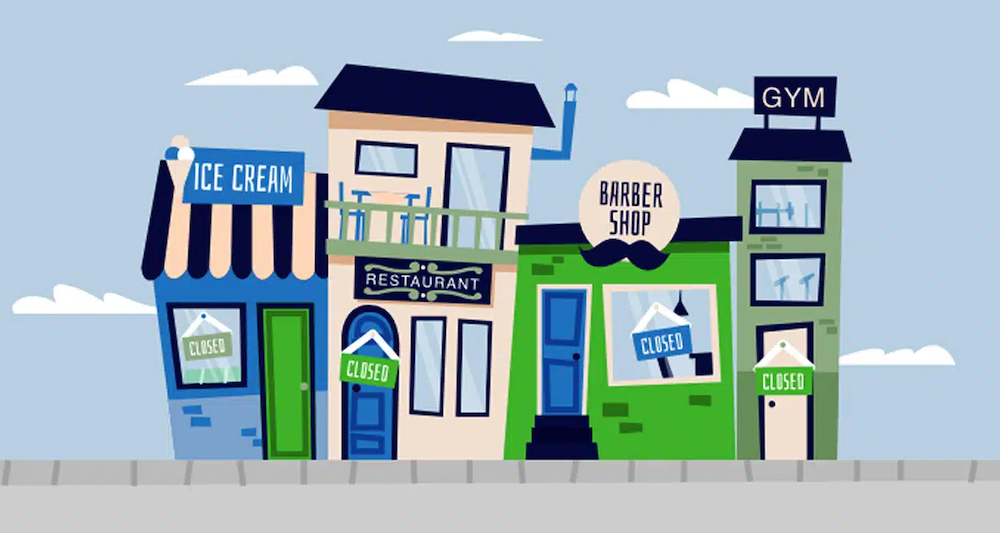
cities-that-lead-in-small-business-confidence-for-2026
Survey of 3,012 U.S. storefront owners reveals Main Street confidence, resilience, and outlook despite national concerns about layoffs and automation.
NEW YORK, NY, UNITED STATES, March 20, 2026 /EINPresswire.com/ -- As artificial intelligence reshapes white-collar work and fuels unease across corporate America, a very different mood is taking hold on Main Street. While office jobs are being re-evaluated and workflows rewritten, many brick-and-mortar businesses are looking toward 2026 with something closer to calm confidence.
From barbers and bakers to butchers and family-run retailers, storefront businesses tend to operate in a world that is physical, personal, and rooted in face-to-face service. That grounding appears to be acting as a buffer against the broader wave of automation anxiety.
To understand how this plays out locally, Advance Funds Network surveyed 3,012 storefront business owners across the U.S., asking how confident they feel heading into 2026 — and how exposed they believe their businesses are to technological disruption. The results reveal a striking divide between Main Street sentiment and the fears dominating corporate conversations.
The 5 Most Confident Main Streets in America
1. West Palm Beach, Florida
West Palm Beach ranked in first place for confidence thanks to its people-driven local economy. Many storefront businesses here rely on in-person service, repeat customers, and steady foot traffic from residents and visitors alike. Owners see technology as supportive, not threatening, leaving them feeling resilient and optimistic heading into 2026.
2. Fort Lauderdale, Florida
Unlike sectors worrying about automation, many Fort Lauderdale storefronts operate in spaces where presence matters. Tourism keeps demand flowing, but it’s the hands-on nature of hospitality and service work that gives owners confidence. For them, tech feels peripheral — not something that threatens the core of the business.
3. New Orleans, Louisiana
Ask local owners what protects their businesses here, and the answer isn’t technology — it’s character. From food to retail, success in New Orleans depends on personality, culture, and lived experience. That sense of irreplaceability explains why many shopkeepers feel insulated from wider AI anxiety.
4. Oceanside, California
Confidence in Oceanside showed up in 4th place overall. Storefronts benefit from repeat locals, in-person spending, and customers who want real interaction, not digital substitutes. Owners described a market shaped by lifestyle rather than disruption, where physical businesses still feel relevant, valued, and commercially steady.
5. Orlando, Florida
In Orlando, confidence comes from volume and variety. Storefront owners serve residents, tourists, and workers alike, spreading risk across multiple customer types. Many operate experience-led businesses where personal service matters, making automation feel distant and leaving owners focused more on demand than disruption.
Where Confidence Is Thinnest
At the other end of the spectrum, lower confidence tended to reflect economic pressure, uneven demand, or structural challenges rather than fear of automation itself.
1. Jackson, Mississippi
In Jackson, caution reflects layered challenges. Storefronts contend with uneven demand and infrastructure pressures that complicate planning. Owners described resilience built through necessity, but acknowledged that sustained confidence remains difficult to maintain.
2. Salinas, California
Salinas business owners spoke about constraints. Price-sensitive customers and rising costs have narrowed margins, leaving little room for error. Many described prioritising continuity over confidence, focusing on staying viable rather than looking ahead.
3. Olathe, Kansas
In Olathe, confidence is tempered by predictability without momentum. Storefronts serve stable residential areas, but foot traffic rarely accelerates. Owners described a market that feels safe day to day, yet difficult to feel enthusiastic about long-term growth.
4. McAllen, Texas
McAllen storefront owners pointed to sensitivity. Many businesses depend heavily on local and cross-border spending that can fluctuate quickly. That exposure has encouraged conservative decision-making, keeping confidence measured rather than optimistic.
5. Manchester, New Hampshire
In Manchester, hesitation reflects uneven recovery. Some districts perform well, while others lag, creating mixed signals for small businesses. Owners described cautious planning, unsure which improvements would translate into dependable demand.
Advance Funds Network has created an interactive map showing where the most confident main streets are in 2026:
What Main Street Believes Gives It an Edge
When asked what gives local businesses their biggest advantage today, owners consistently pointed to human-centered strengths:
- Personal, face-to-face service (32%)
- Local loyalty and repeat customers (30%)
- Community trust (14%)
- Work that can’t be automated (10%)
- Flexibility and independence (10%)
- Lower reliance on technology (4%)
That sentiment carried through when respondents were asked what AI would struggle most to replace:
- Local customer relationships (40%)
- Manual or skilled physical work (38%)
- Management and leadership (20%)
- Creative work (2%)
A Cautious but Grounded Outlook
Looking ahead to the next two years, optimism is measured rather than euphoric:
- Thriving and expanding: 24%
- Holding steady: 12%
- Struggling but surviving: 56%
- At risk of decline: 8%
Despite those pressures, belief in the cultural importance of Main Street remains overwhelming. Nearly all respondents said local businesses are either essential (58%) or very important (24%) to the identity of a town or city.
Interestingly, when asked who adapts faster to economic change, 66% still pointed to large corporations, suggesting that confidence in relevance doesn’t always translate to confidence in speed.
Douglas Haddad
Advance Funds Network
+1 888-310-3110
email us here
Visit us on social media:
LinkedIn
Instagram
Facebook
X
Legal Disclaimer:
EIN Presswire provides this news content "as is" without warranty of any kind. We do not accept any responsibility or liability for the accuracy, content, images, videos, licenses, completeness, legality, or reliability of the information contained in this article. If you have any complaints or copyright issues related to this article, kindly contact the author above.
